
How to Maintain Vinyl Siding Throughout the Year
Vinyl siding is a popular choice for many homeowners due to its durability and aesthetic appeal. However, to maintain its appearance and functionality, regular maintenance is essential. This guide will walk you through essential maintenance tips from an expert siding company to ensure your vinyl siding remains in pristine condition throughout the year.
1. Understanding Your Vinyl Siding
Types of Vinyl Siding
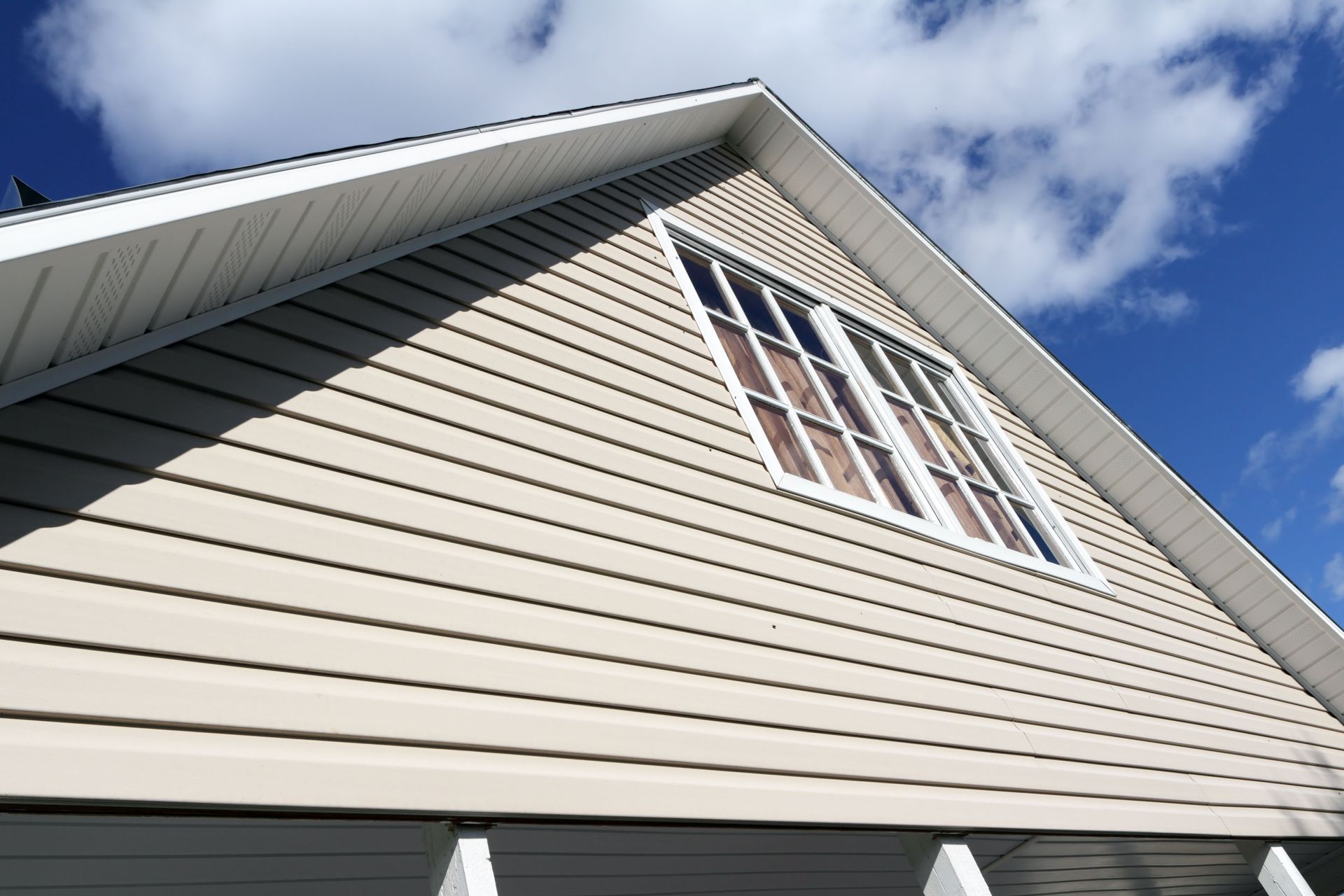
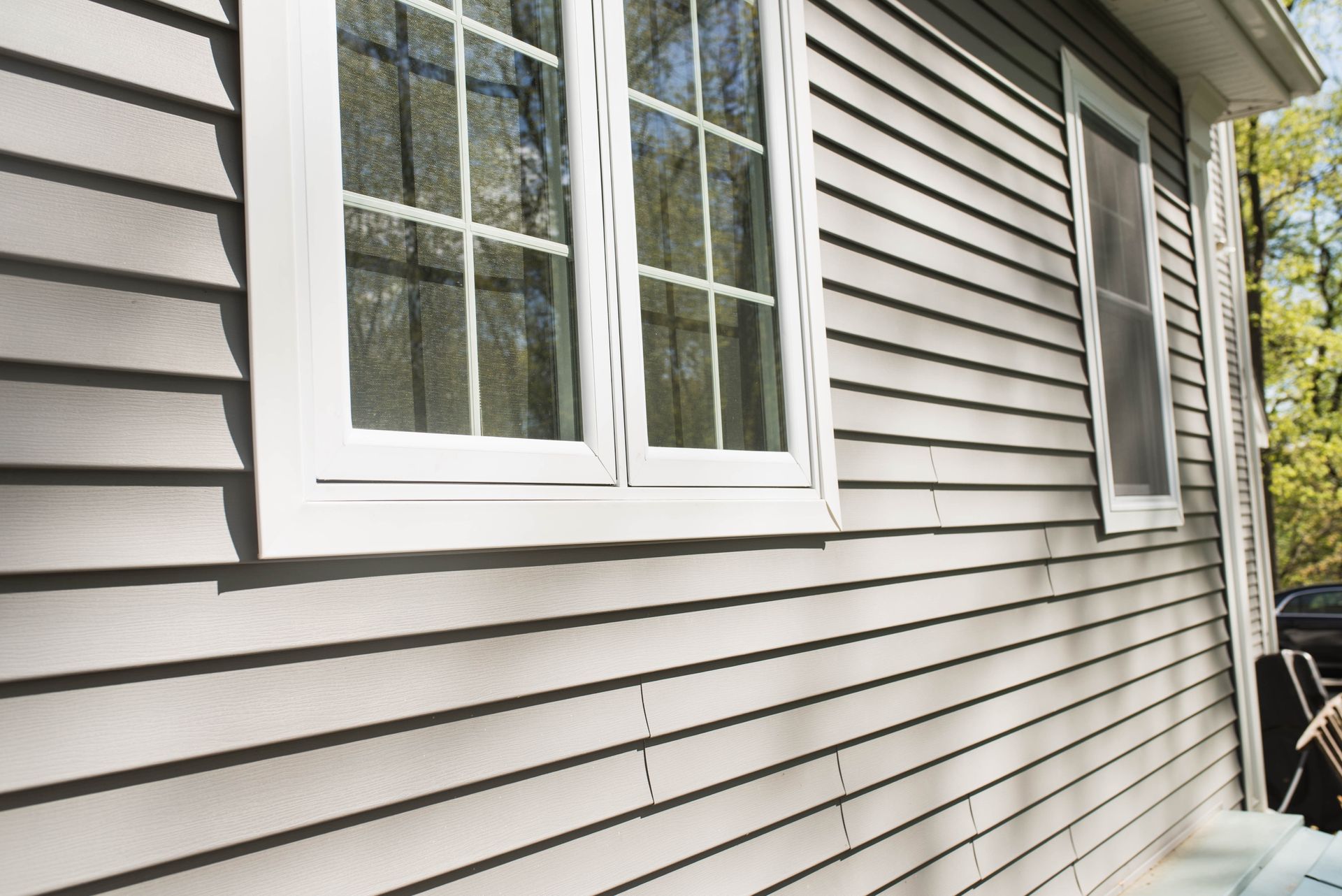
Vinyl siding comes in various types, including horizontal and vertical panels, shakes, shingles, and board and batten. Each type offers a unique look and feel, allowing homeowners to choose based on architectural style and personal preference. Understanding these types helps in selecting the most suitable material for your home's exterior. Various styles can be mixed and matched to create a custom look while providing robust protection against the elements. Proper knowledge of the types available can help you make an informed decision that suits your needs.
Benefits of Vinyl Siding
The advantages of vinyl siding extend beyond its visually appealing nature. It is known for its durability and resistance to extreme weather conditions, such as wind and hail. Additionally, vinyl siding requires minimal maintenance compared to other materials like wood, making it a cost-effective choice over time. With its ability to mimic more expensive sidings like cedar shakes or weathered wood, it provides an attractive option without the high price tag. Vinyl siding also offers excellent insulation properties, contributing to energy efficiency in your home.
Common Challenges with Vinyl Siding
Despite its benefits, vinyl siding can present several challenges that homeowners need to be aware of. Exposure to extreme temperatures can cause it to warp or crack, highlighting the importance of seasonal maintenance. Also, while it is resistant to many elements, mold and mildew can still find their way onto the siding's surface if moisture is trapped. Physical damage from external sources, such as lawnmower stones, can also compromise its integrity. Addressing these issues promptly can prevent costly repairs and maintain its long-term appeal.
Importance of Seasonal Maintenance
Seasonal maintenance for vinyl siding involves different tasks tailored to the climatic challenges of each time of the year. These tasks not only help preserve the siding's appearance but also prevent minor issues from developing into major problems. Regular upkeep ensures that the siding remains functional, protecting the home from moisture infiltration, which can lead to structural damage. By committing to a seasonal maintenance schedule, homeowners can enjoy peace of mind knowing their investment is well-protected. Consistent care will also help extend the siding's lifespan, potentially allowing it to last over 60 years with proper maintenance, according to The Spruce.
Tools and Equipment Needed
Maintaining your vinyl siding requires specific tools and equipment to ensure both effectiveness and safety. Basic items include a soft-bristle brush, a mixed cleaning solution, a garden hose with a spray nozzle, and a sturdy ladder. For more advanced tasks, you might need a power washer set to a moderate pressure to avoid damaging the siding. Safety gear such as gloves and goggles are essential, especially when using chemical cleaners. Being adequately equipped prepares you to handle maintenance tasks efficiently, reducing both time and effort.
2. Preparing for Fall
Clearing Leaves and Debris
As fall brings beautiful foliage, it also presents the challenge of managing leaves and debris around your home. Regularly clear gutters and downspouts to prevent blockages that lead to water overflow and potential siding damage. Use a blower or rake to remove leaves that accumulate on and around your siding, especially in corners and crevices. Keep your yard tidy to minimize mold and mildew growth stemming from decaying organic matter. Autumnal cleaning ensures your siding remains clean and functional ahead of winter.
Checking Weatherstripping and Seals
Fall is an optimal time to inspect weatherstripping and seals around windows and doors, ensuring your home remains energy efficient. Replace any worn or damaged weatherstripping promptly to prevent drafts that lead to heat loss. Check the caulking at seams and joints of your siding, resealing areas showing signs of wear. Ensuring a tight seal now can reduce your heating bills during cold months and protect your siding from moisture penetration. Proper inspection and maintenance fortify your home against seasonal elements.
Prepping for Colder Temperatures
Preparing vinyl siding for colder temperatures involves several critical steps to maintain its performance throughout winter. Inspect insulation behind the siding, as adding or repairing it can prevent significant heat loss. Remove any external objects, such as hanging lights or decorations, that could impact siding during strong winds. Such preparations help bolster siding resilience, ensuring it withstands winter's rigors while safeguarding your home's comfort.
Insulating Siding Against Heat Loss
Proper insulation is crucial in protecting your home from heat loss through vinyl siding during the colder months. Consider adding a layer of foam insulation under the siding to improve thermal efficiency. Ensuring well-insulated siding contributes to maintaining a consistent indoor temperature, reducing energy consumption, and lowering heating costs. Take the time to replace any damaged insulation that may be allowing drafts or cold air infiltration. Well-insulated siding not only supports energy efficiency but also adds a layer of protection against external temperature fluctuations.
Preventing Ice Damage
Ice can pose a severe threat to vinyl siding during frigid temperatures, potentially leading to structural issues and surface damage. Remove ice formations promptly from the siding surface to avoid additional strain or cracks. Inspect for ice dams forming on overhangs and roofs, as they can allow water to seep behind siding and cause damage. Ensure gutters and downspouts remain clear so melting snow can drain effectively, minimizing ice buildup risks. Taking preventive measures ensures that your vinyl siding remains robustly protected, even in the coldest weather conditions.
3. Prepping for Winter
Managing Snow and Ice Buildup
Winter care for vinyl siding includes managing snow and ice to prevent damage. Gently brush off heavy snow accumulations using a long-handled, soft-bristle broom, ensuring you do not scratch or dent the siding. Avoid hitting or prying ice from the surface to reduce the risk of cracking the vinyl. Instead, use a deicing agent that is safe for vinyl if necessary, to encourage safe melting. Regularly monitor areas prone to ice buildup to mitigate potential issues early on, maintaining the siding's integrity and avoiding costly repairs.
Avoiding Salt and Chemical Damage
Salt and chemicals used for deicing roads and walkways can inadvertently cause damage to vinyl siding. Avoid applying salt or chemical products directly near the base of your siding as they may lead to discoloration or wear over time. Promptly rinse away any accidental splashes to mitigate potential staining or erosion damage. By exercising caution in product selection, homeowners protect their vinyl siding's appearance and structure.
Monitoring for Structural Stress
Cold weather can induce structural stress on vinyl siding, necessitating careful monitoring during winter months. Sudden temperature drops may cause the material to contract rapidly, increasing the potential for cracks or breakage. Walk around your home inspecting the condition of the siding, particularly following severe cold snaps. Pay attention to any new sounds such as creaking, which could indicate stress within the panels. Detecting and addressing stress early helps prevent further damage and maintains the integrity of your home's outer shell.
Consistent maintenance of your vinyl siding will not only enhance the lifespan of the material but also boost the overall aesthetic of your home. By following the seasonal tips and year-round best practices outlined in this article, you can ensure that your vinyl siding remains in top condition throughout the years, saving you time and money on potential repairs. Understanding vinyl siding's properties empowers you to make informed decisions about its care and management. With dedication to its upkeep, your home maintains its charm and is rightfully protected from nature's elements. If you need the assistance of a professional
siding company, reach out to Cover-Rite Siding & Window today!






Share On: